Your Preferred General Contractor for Excellent Home Renovations
A trusted construction professional fulfills a critical function in residential renovations. Their expertise guarantees projects are completed with accuracy and attention. By concentrating on quality materials and workmanship, they improve both aesthetics and worth. Open communication and careful planning are essential for a smooth process. However, many property owners disregard key factors when selecting a contractor. Understanding what to focus on can make all the impact in achieving a quality remodel. What should homeowners evaluate first?
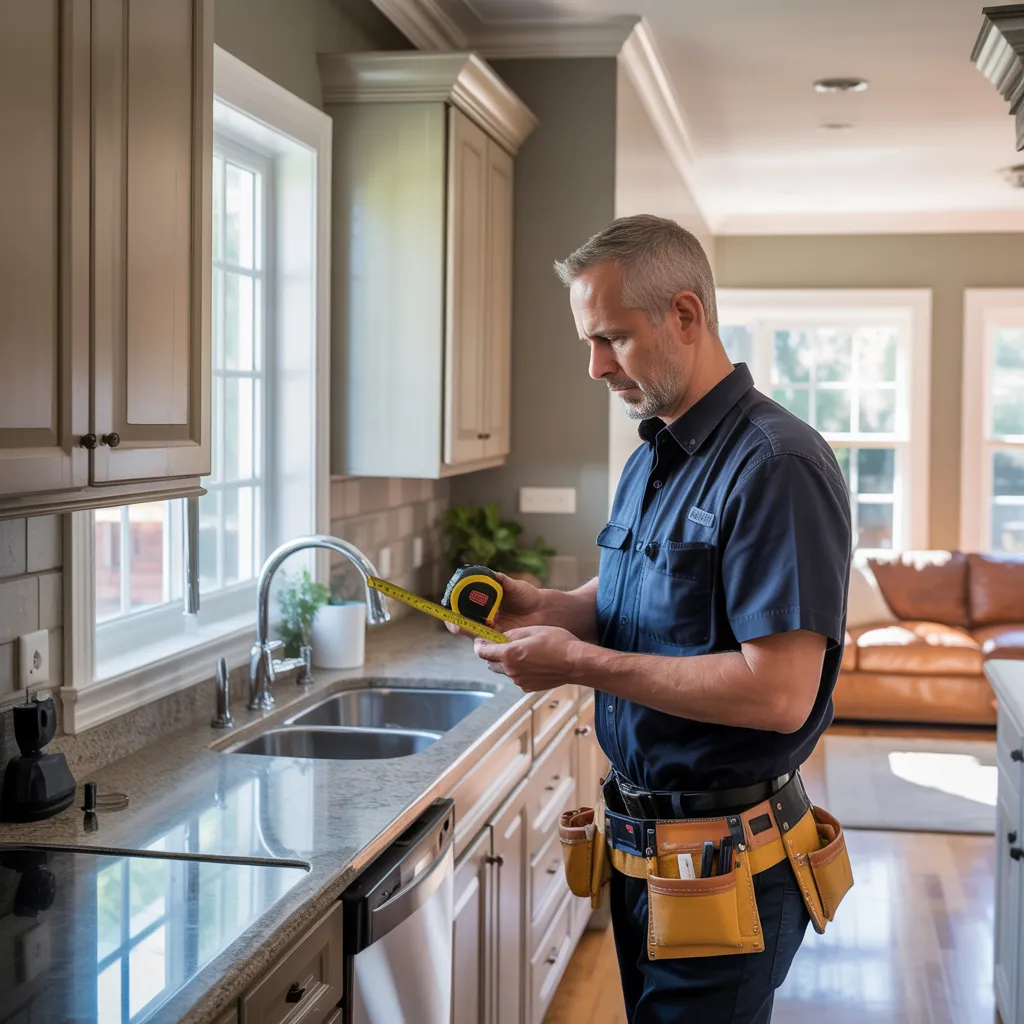
Important Characteristics to Seek Out in a Trustworthy General Contractor
When starting a home improvement project, how can one guarantee they select a trustworthy contractor? First, people should obtain suggestions from friends, family members, or web-based reviews to find potential candidates. It is crucial to verify qualifications, including licenses and insurance, guaranteeing the contractor meets local requirements. Next, reviewing past work through project galleries or client testimonials provides insights into the contractor's craftsmanship and reliability.
Additionally, collecting several quotations can help assess reasonable pricing and work schedules. Soft skills are also necessary; a contractor should be engaging and attentive to inquiries. Further, a robust contract specifying project scope, duration, and payment schedules shields both involved parties. In conclusion, rely on your instincts; if a professional appears inexperienced or vague, it may warn of future issues. By observing these guidelines, property owners can significantly improve their probability of selecting a faithful building contractor, leading to accomplished renovation and restoration initiatives.
Why a Local General Contractor Represents Your Best Solution
Choosing a nearby general builder can significantly improve the outcome of home improvement projects. Local contractors have invaluable understanding of the region, including building codes, requirements, and zoning ordinances, guaranteeing compliance and efficiency. Their strong connections with suppliers and subcontractors can result in better rates and timely availability to materials and experienced workers.
In addition, local contractors often have a name to protect within the evidence community, prompting them to produce high-quality work. This sense of accountability fosters trust and confidence among homeowners.
Furthermore, being close makes possible easier communication and quicker response times, which are essential during a project. Homeowners may also request referrals from community members or friends who have hired the contractor before, providing peace of mind. Overall, hiring a local general contractor not only support the community but also boosts the overall quality and experience of home improvement endeavors.
Step-by-Step Guide to Your Home Improvement Journey
Starting a residential renovation project demands careful planning and execution. Creating a project timeline is essential to ensure that tasks are finished promptly, while choosing quality materials can greatly influence the final result. This resource will outline these critical procedures to assist homeowners navigate their renovation process successfully.
Arrange Your Project Timetable
A well-organized schedule is paramount for ensuring successful home upgrades, guaranteeing that all phases are executed productively. To start, property owners should establish the project's scope, outlining concrete goals and intended outcomes. Next, they should reach out to their general contractor to develop a realistic timeframe contingent on the project's difficulty and mandatory tasks. Splitting the project into discrete phases facilitates better tracking and revisions as needed. It is also important to anticipate potential delays, such as atmospheric conditions or supply chain issues, which may impact the schedule. Ongoing consultations with the contractor can help the project stays on schedule. Ultimately, a definitive schedule fosters communication and clarifies objectives, leading to a smoother home improvement journey.
Deciding on Premium Supplies
Selecting quality materials substantially affects the output of residential renovation undertakings. To start, property owners should determine the particular necessities of their endeavor, taking into account factors such as resilience, design, and spending limit. exploring multiple component options is vital; this comprises comprehending the pros and limitations of every. meeting with professionals can provide worthwhile information into dependable labels and providers.
Next, homeowners should ask for samples to evaluate the look and feel of materials firsthand. Comparing prices across different suppliers can help ensure affordable rates without compromising quality. Finally, confirming that materials comply with local construction regulations is essential for safety and compliance. By carefully choosing materials, homeowners can improve both the lifespan and visual appeal of their renovations, ultimately adding value to their property.
Display Your Vision Like a Specialist
Successful home improvements often copyright on the ability to articulate a clear vision. Homeowners should communicate their concepts, choices, and expectations, ensuring that they transmit their wants effectively to their general contractor. A well-defined vision not only helps in aligning the contractor's plans with the homeowner's goals but also expedites the decision-making process.
Visual aids such as sketches or mood boards can significantly improve communication interactions. They deliver a tangible reference that illustrates style, color schemes, and layout preferences. Additionally, engaging in open dialogue encourages partnership, allowing the contractor to ask clarifying questions and provide insights.
Establishing practical schedules and financial allocations is equally important. Homeowners should prepare to talk about limitations transparently to prevent miscommunications down the road. In the end, communicating a plan with precision and confidence strengthens both parties, paving the way for effective project execution and gratifying outcomes in residential renovation endeavors.
The Critical Role of Superior Materials and Expert Workmanship
In home improvements, the determination of resilient materials greatly impacts the longevity and functionality of a venture. Comparably essential is the function of skilled craftsmanship, which guarantees that these materials are utilized optimally. Together, high-quality materials and masterful craftsmanship generate results that stand the test of time.
Sturdy Material Picking
A carefully chosen variety of durable materials can markedly influence the persistence and aesthetics of home improvements. Excellent materials not only amplify the allure of a space but also assure that renovations persist the test of time. Homeowners should stress materials with demonstrated durability, such as hardwood, stone, and high-grade metals, which withstand wear and tear and environmental damage. In addition, opting for materials suited the local climate can stop issues like rot or corrosion. Putting resources into durable options may require a higher upfront cost, but the long-term benefits—fewer repairs and replacements—make it a intelligent choice. To sum up, the right materials enhance a home's value and overall satisfaction for years to come.
Skilled Handiwork: Why It Matters
Quality craftsmanship serves as a important component in the success of home enhancements, supporting the choice of resilient materials. Expert artisans assure that all aspects of a project are performed with exactness, boosting both utility and visual appeal. Careful focus in construction, from framing to finishing touches, substantially improves the longevity and dependability of home features. Quality execution not only shows a dedication to excellence but also prevents future complications, such as structural issues or aesthetic imperfections. Additionally, seasoned contractors grasp the complexities of various materials, making certain they are applied optimally. Ultimately, investing in skilled craftsmanship produces a more fulfilling and durable outcome, boosting the overall worth of the home and the homeowner's contentment.
Standard Renovation Pitfalls and Strategies for Avoiding Them
Many property owners encounter challenges during renovations that can result in expensive setbacks and dissatisfaction. One common mistake is underestimating the budget. Without a detailed financial plan, unforeseen costs can quickly emerge, jeopardizing the project. Additionally, neglecting to obtain required approvals can cause fines and work stoppages, hindering the renovation process.
A common error involves rushing the decision-making process. Quick choices about layout and design can result in regrets down the road. Homeowners frequently overlook the importance of employing experienced professionals, which can compromise the workmanship and safety standards.
At last, poor communication with construction teams can lead to misunderstandings and unmet expectations. To avoid these issues, homeowners should emphasize thorough preparation, secure the required permits, select seasoned professionals, and preserve transparent communication throughout the renovation process. By addressing these common mistakes, homeowners can guarantee a more efficient and more satisfying renovation experience.
How to Choose the Suitable Materials for Your Renovation?
In what manner can property owners confirm they opt for the correct components for their restoration endeavors? First, they should assess the specific needs of the location, considering factors such as functionality, charm, and endurance. Examining assorted options is mandatory; homeowners should compare possibilities based on their suitability for the intended use and local climate conditions.
Partnering with a reliable general contractor can convey important insights regarding choice of products, confirming selections correspond with both financial targets and visual goals. Concurrently, property dwellers ought to champion sustainability efforts by considering eco-friendly options that reduce environmental consequences.
At last, reviewing samples can facilitate informed determinations, enabling homeowners to conceive how materials will look and feel in their space. By following these steps, homeowners can confidently select materials that better their project while ensuring quality and longevity.
Popular Questions Asked Regularly
What's the Best Way to Check a Contractor's Permits and Protection?
To authenticate a contractor's permits and protection, one can inspect state licensing boards and underwriters. In addition, asking for proof of licenses and insurance documents obtained from the contractor assures genuineness and conformance to standards.
How Protracted Does the Standard Schedule for Household Upgrade Initiatives Take?
The standard timeline for home improvement undertakings differs, often spanning from a few weeks to several months, based on project complexity, scale, and required permits. Communication with the contractor can help create a more precise schedule.
May I occupy My Home While Renovations Are Occurring?
Yes, one can live in a house during remodeling, though it often relies on the scope of the project. Minor renovations may allow for continued occupancy, while substantial projects might necessitate temporary relocation for safety and comfort.
What Forms of Payment Do Contractors Commonly Accept?
Contractors regularly accept a collection of payment types, including cash, checks, credit cards, and digital payment platforms. Some may also make available financing options, allowing clients flexibility in regulating renovation costs and payment schedules.
How Can I Deal With Conflicts Involving My Service Provider?
To handle contractor conflicts, one should express yourself plainly, record every communication, and seek a resolution through negotiation. If unresolved, arbitration or court proceedings may be necessary to safeguard your rights effectively.